
by Karla Mifsud
Dancewear and activewear are built for movement. Garments must stretch, recover, and hold their shape. That is why fabric choice matters so much.
When sourcing stretch fabric for dancewear, activewear, or larger costume orders, buyers are not just choosing colour. They are choosing how a garment will feel, perform, and last. Studios, costume makers, home sewers, and small brands need materials that support flexibility without losing structure.
This guide explains how performance textiles work, what to look for when buying online, and how to choose confidently.
For a broader understanding of performance materials, read our complete guide to
buying dance fabrics online.

Flexible performance textiles are used in:
These garments sit close to the body. They must allow full movement while maintaining a smooth silhouette.
High-quality Lycra fabrics are widely used because they combine elasticity with strength. They stretch easily but return to shape after jumps, turns, and floor work. This helps garments maintain a professional appearance even after repeated wear.
In competition settings, stretch materials also need to perform under stage lighting. Shine, texture, and colour depth can affect how a costume looks from a distance. That is why choosing the right textile is not just about comfort – it is also about presentation.
To see examples commonly used in performance garments, you can browse the stretch fabric category.
Stretching alone is not enough. Recovery is equally important.
Stretch means the fabric can expand.
Recovery means it returns to its original shape.
Without strong recovery, garments may:
Performance garments go through intense use. Rehearsals can run for hours. Competitions often involve multiple routines. Costumes are frequently washed and transported.
High-quality performance materials are designed to handle this stress. They resist thinning, fading, and loss of elasticity.
When reviewing stretch fabric collections for dancewear or activewear, check whether the material is described as suitable for
dancewear or activewear. These fabrics are developed for repeated movement, not casual wear.
This is one of the most common questions buyers ask.
The fabric stretches in one direction, usually across the width.
The fabric stretches both across and lengthwise.
For fitted leotards and unitards, four-way stretch often offers better comfort and flexibility. It supports full-body movement and reduces strain on seams.
Two-way stretch can still work well for certain panels or design details. The key is matching the stretch direction to the garment’s construction.
Understanding this difference helps reduce costly ordering mistakes.
Not all flexible textiles behave the same way. Below are the most common types used in dance and activewear.
These are core materials in dancewear. They offer strong elasticity, smooth surface finish, and excellent recovery. Ideal for close-fitting garments.
These provide stretch without shine. Popular for rehearsal wear and contemporary styles.
Designed for stage impact. They reflect lighting and enhance movement on stage.
Lightweight and breathable. Often used for sleeves, inserts, and layered details.
Some materials include subtle patterns or embossed finishes. These add depth without sacrificing flexibility.
Many costumes combine multiple materials to balance durability, flexibility, and visual appeal.
To explore options, you can view our stretch fabric range for dancewear and performance applications.
When buying online, you cannot physically stretch the fabric in-store. However, you can still assess quality carefully.
Look for:
If possible, order a smaller quantity first before committing to a larger studio or team order. This allows you to test stretch direction,
feel, and recovery in person.
For bulk orders, consistency is important. Reliable suppliers maintain steady stock levels and consistent fabric feel across shipments.
Different dance styles place different demands on garments.
Ballet
Often requires smooth finishes and controlled stretch for clean lines.
Jazz and contemporary
Need flexibility and recovery for floor work and dynamic movement.
Acro and gymnastics-inspired routines
Demand high durability and strong elasticity due to tumbling
and lifts.
Commercial and competition dance
Often combine shine, texture, and flexibility for stage presence.
Selecting materials based on performance needs helps prevent fit and durability issues later.
Even experienced makers make errors. Here are common ones to avoid.
Choosing based on colour alone
Appearance matters, but performance matters more.
Ignoring fabric weight
A lightweight textile may look similar online but behave very differently when
worn.
Not confirming stretch direction
Ordering the wrong type can affect garment fit and comfort.
Buying from general fabric stores
Non-specialist sellers may not understand performance requirements.
Working with a supplier that understands dance and activewear helps reduce these risks.
Dancewear requires materials that handle movement, lighting, and repeated wear.
Specialist stretch fabric suppliers typically:
This expertise supports better results for studios and designers.
For broader research on textile durability and fibre behaviour in Australia, organisations such as CSIRO contribute valuable insights into material performance.

Below is a curated selection of performance materials commonly used in dancewear and activewear. These options are selected for flexibility, durability, and consistent quality.
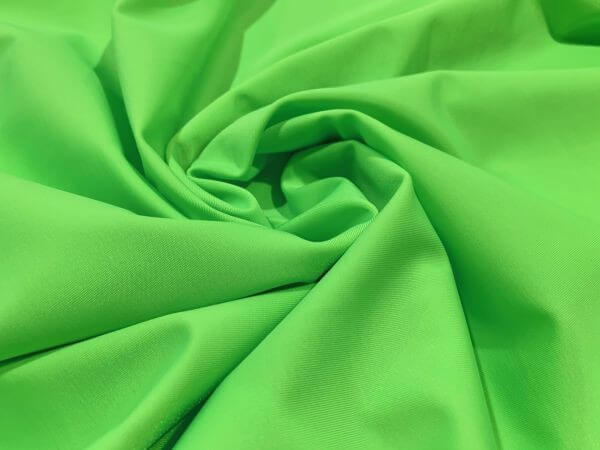
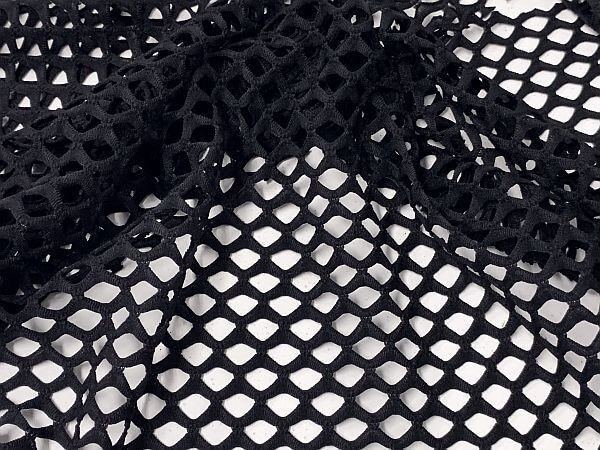
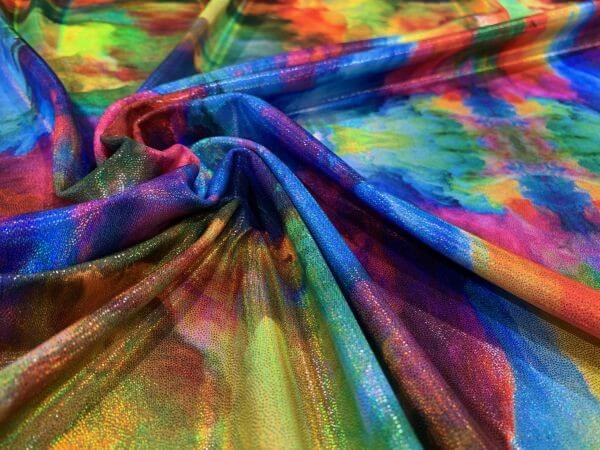
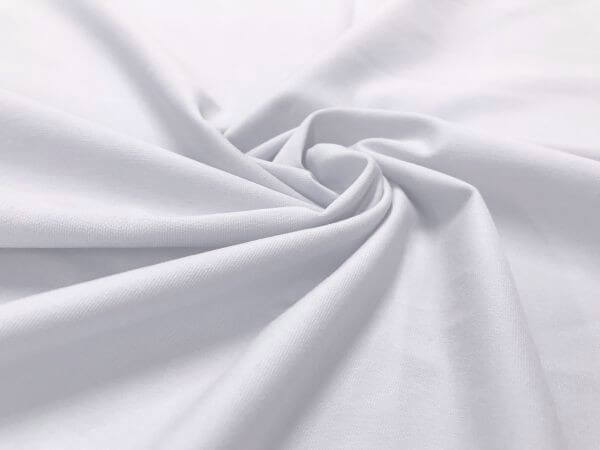
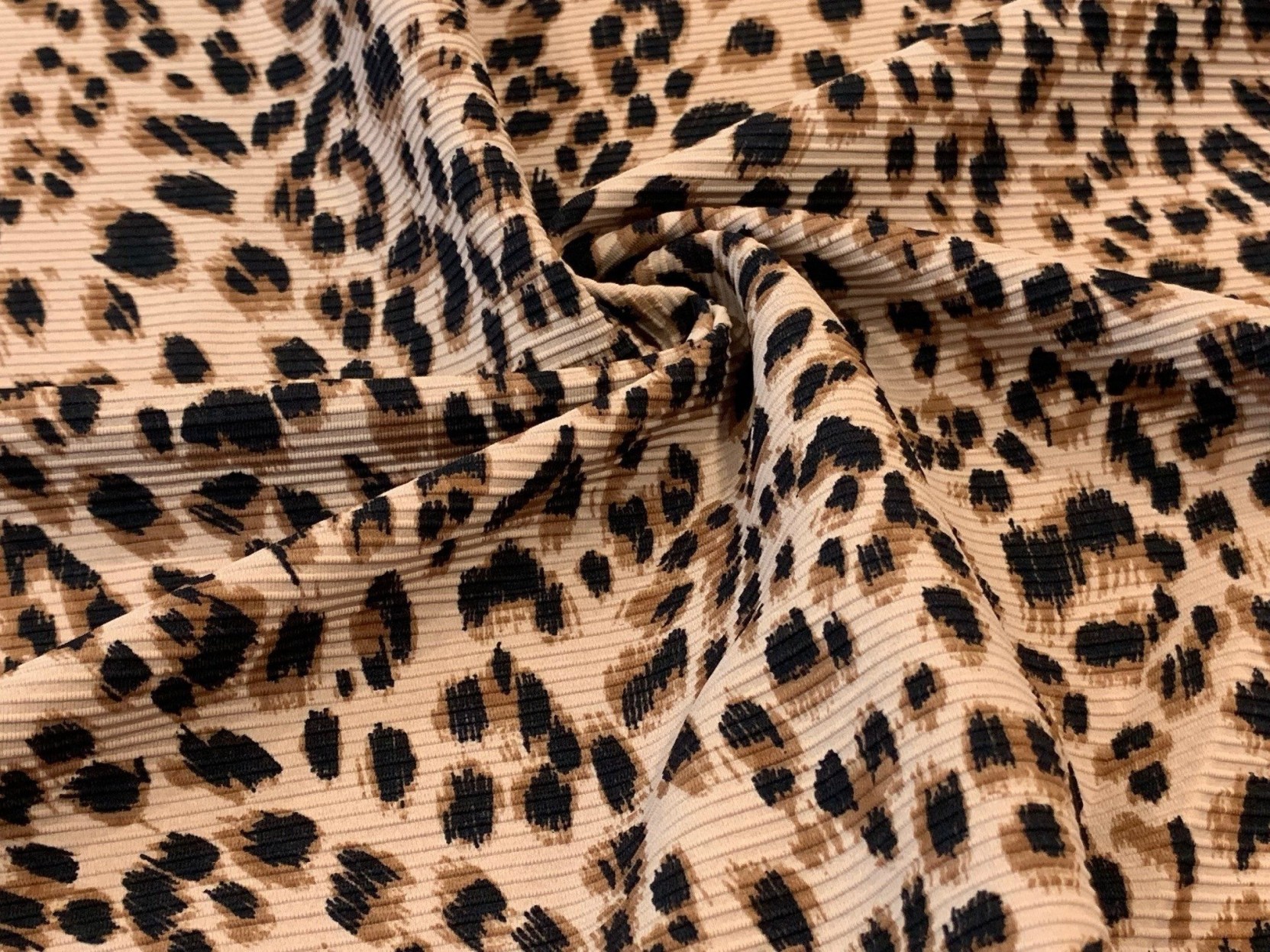
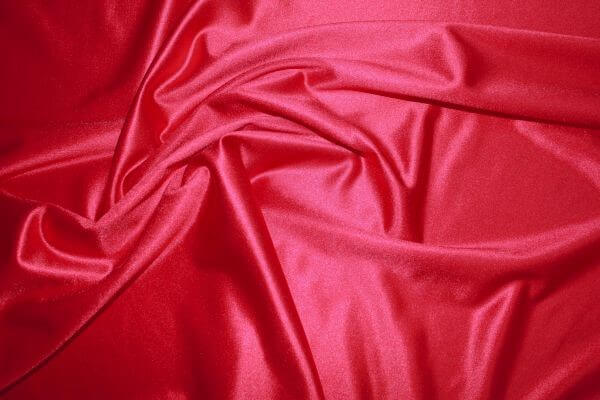
Performance garments rely on the right materials. Flexibility alone is not enough. Recovery, durability, and consistency all matter.
By understanding stretch direction, fibre composition, and garment use, buyers can make informed decisions.
When selected carefully, performance textiles become the foundation of garments designed to move confidently on stage and in rehearsal.
Choosing the right stretch fabric is an investment in comfort, presentation, and long-term garment quality - whether you are creating a single costume, outfitting a team, or planning larger production runs.
Glitter & Dance supports customers ranging from home sewers and independent makers through to studios and performance teams. Fabrics are available in both smaller and larger quantities, helping customers access high-quality performance materials without needing traditional wholesale-only purchasing.