
Premium Stretch Fabric for Dance & Performance
Stretch fabric for dancewear is chosen by how it performs: stretch direction, recovery, weight, coverage and finish all affect fit, movement and how a costume holds its shape. Glitter & Dance stocks stretch fabrics for dance, performance and costume making, with fabric available in 10 cm increments and no minimum order.
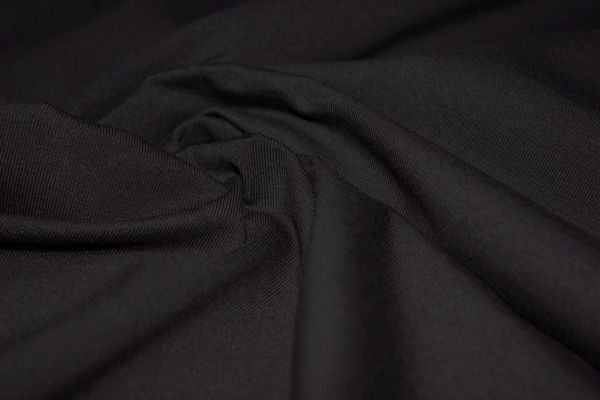
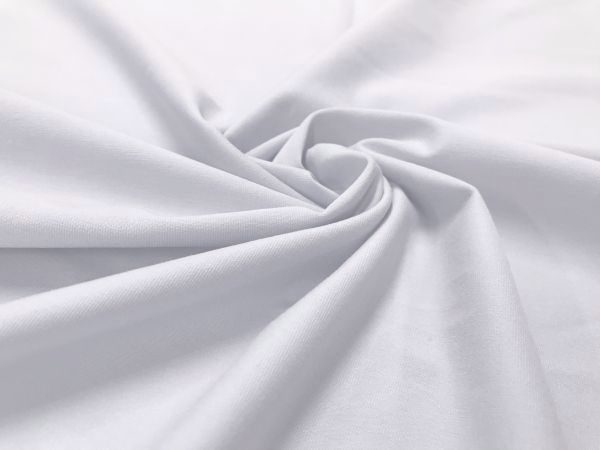

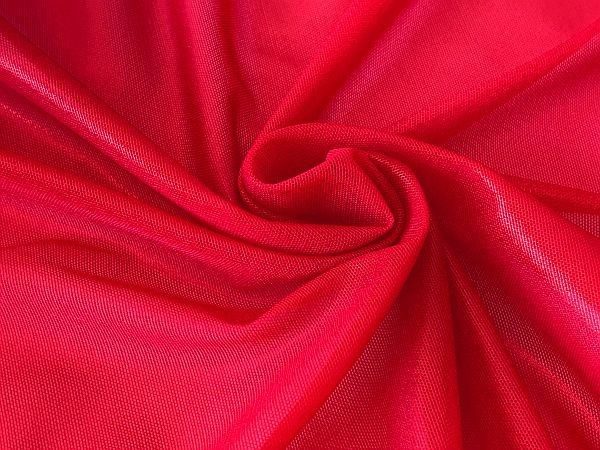
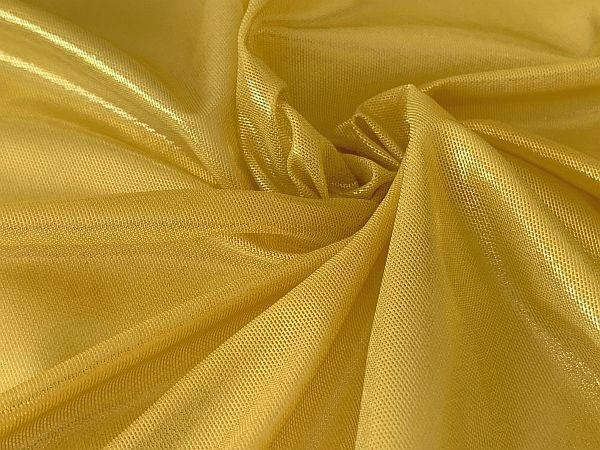
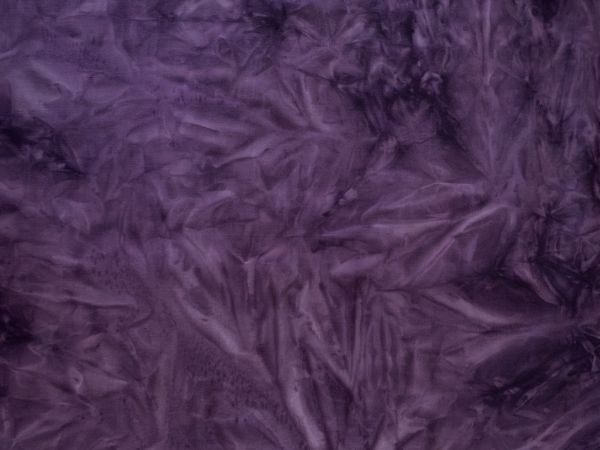
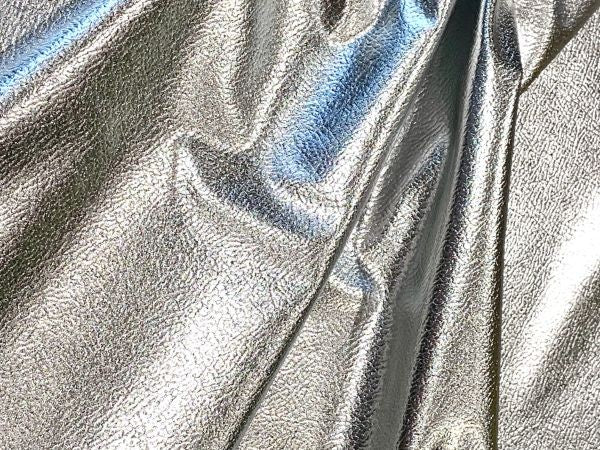
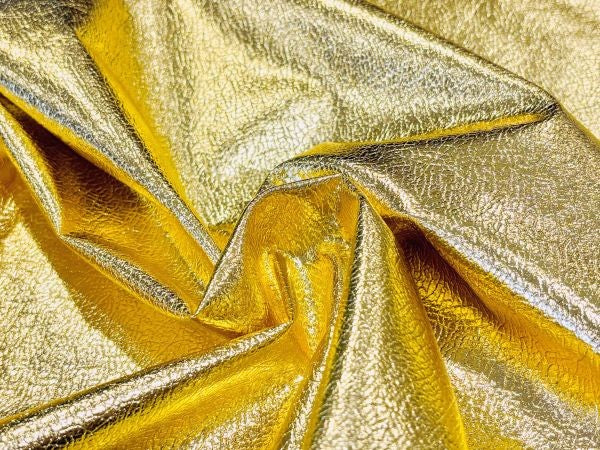


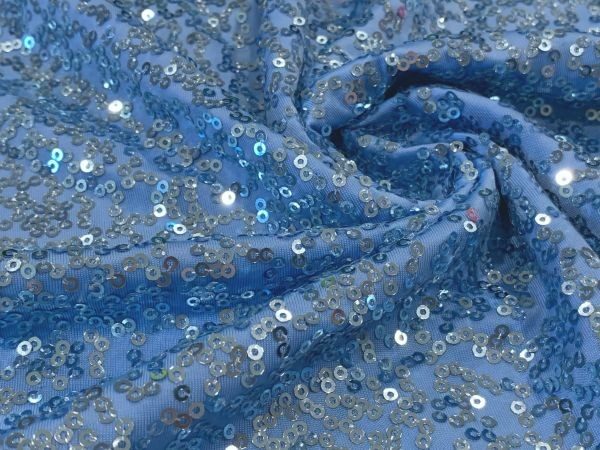
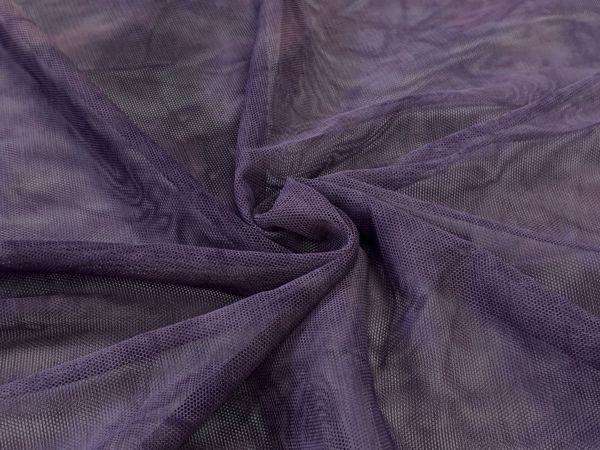
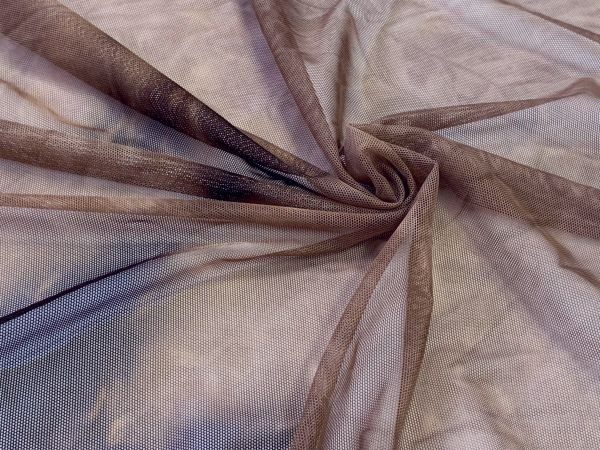
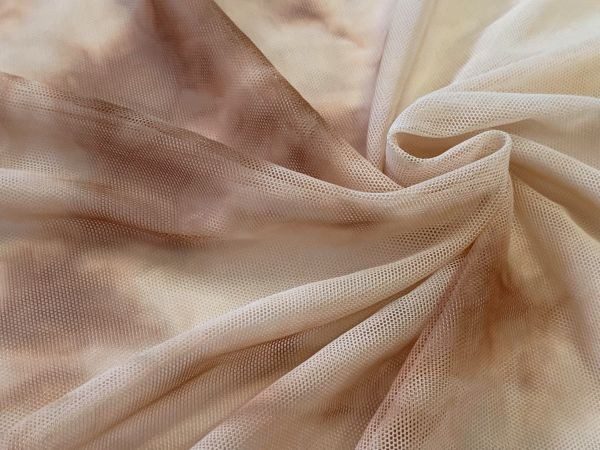

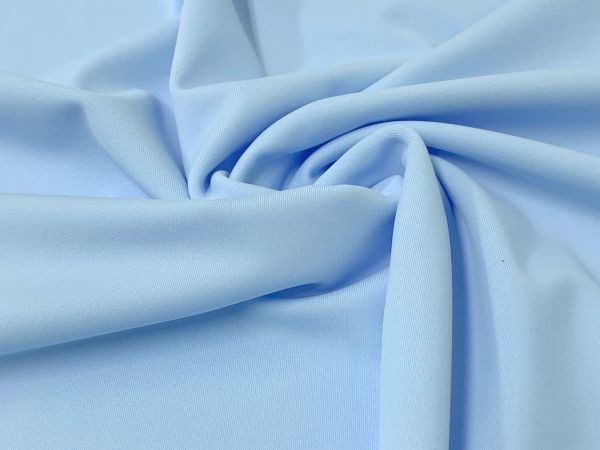
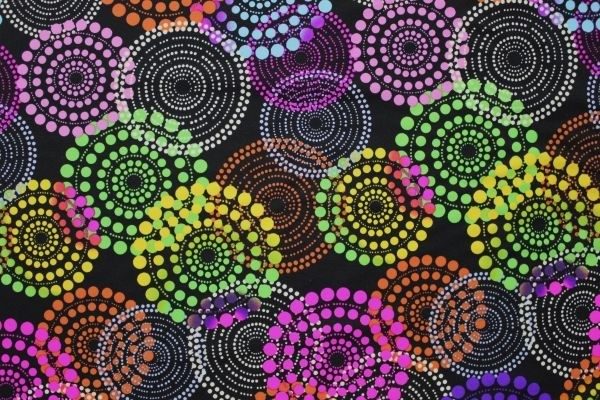
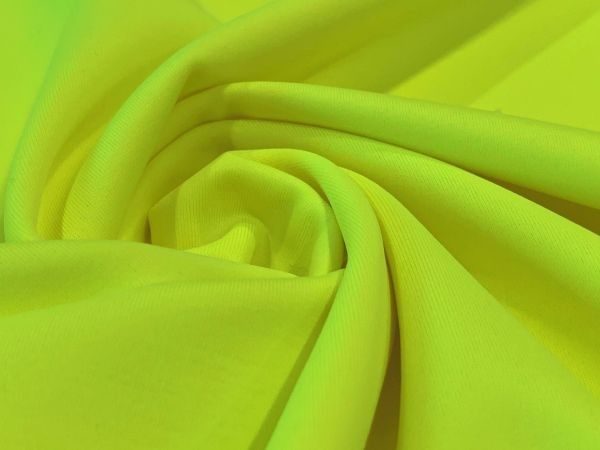
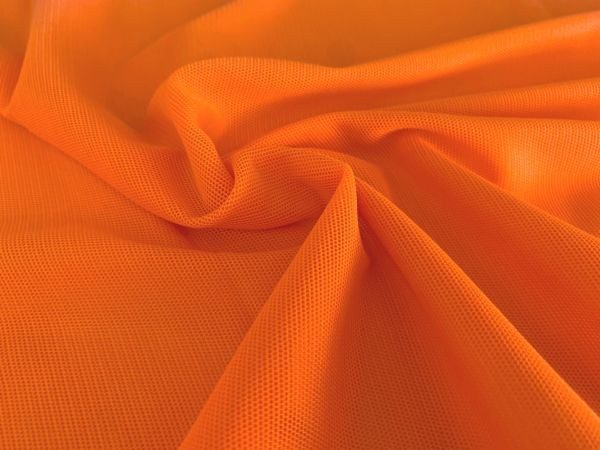
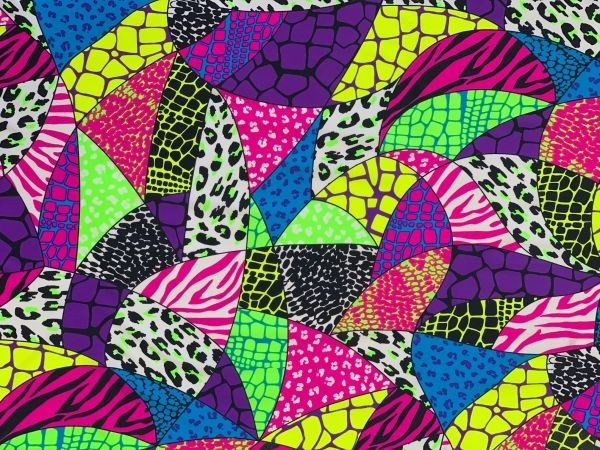
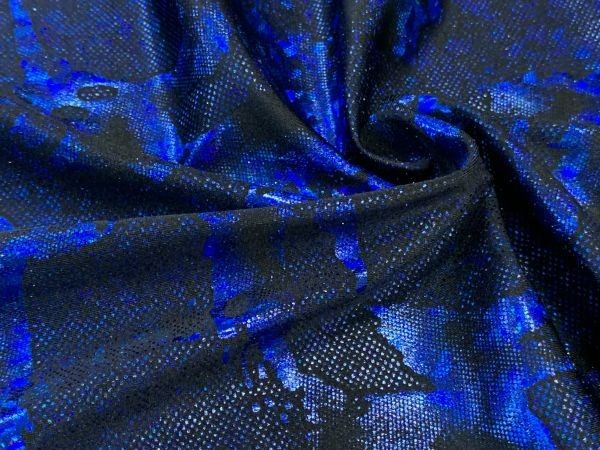

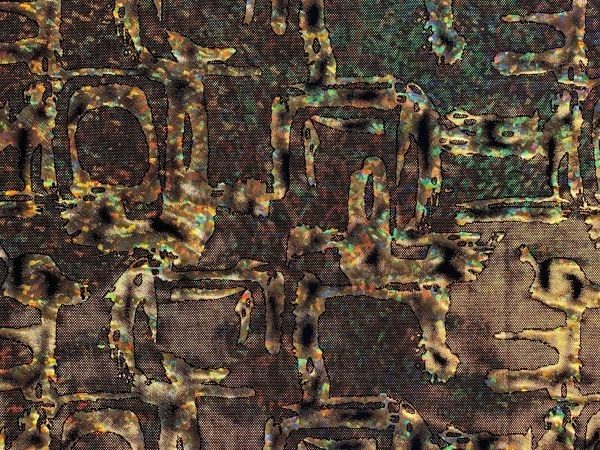
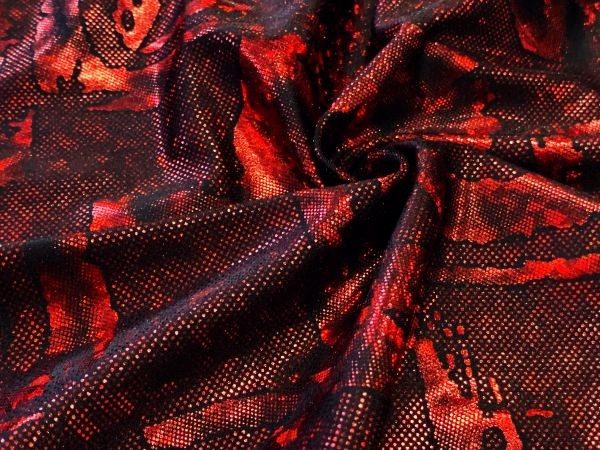

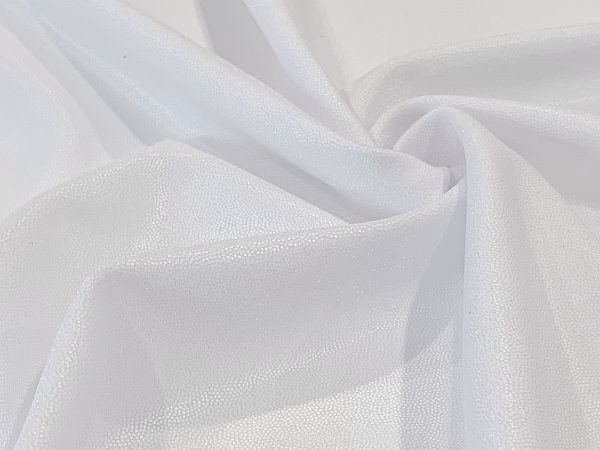


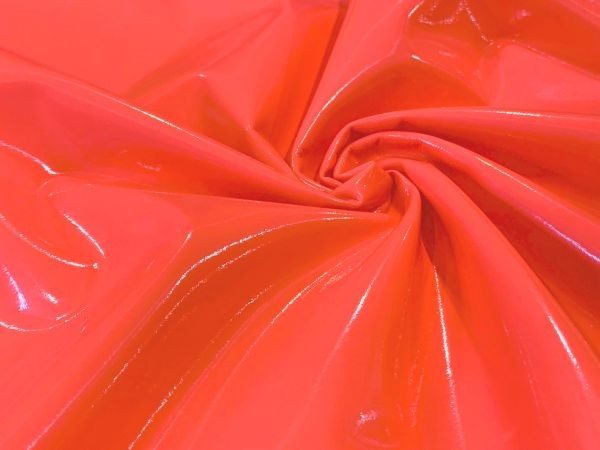
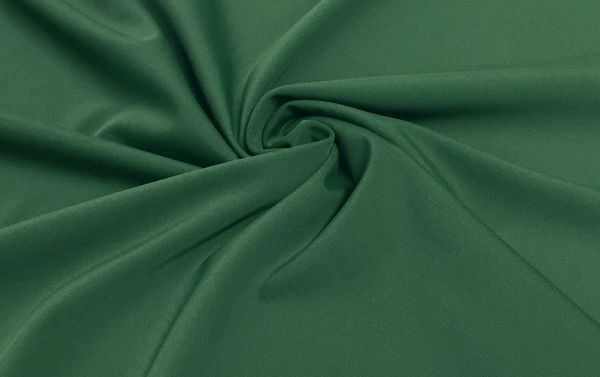
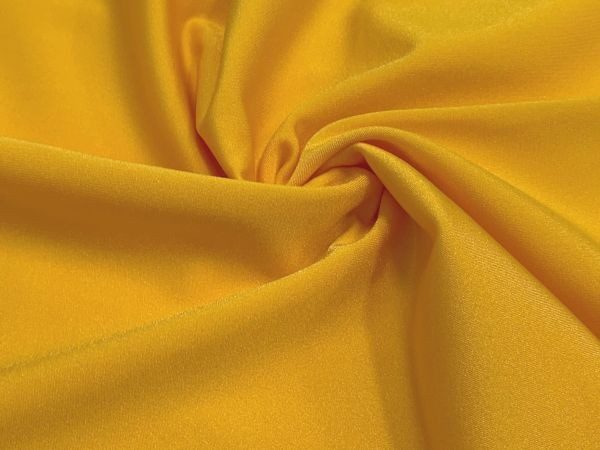
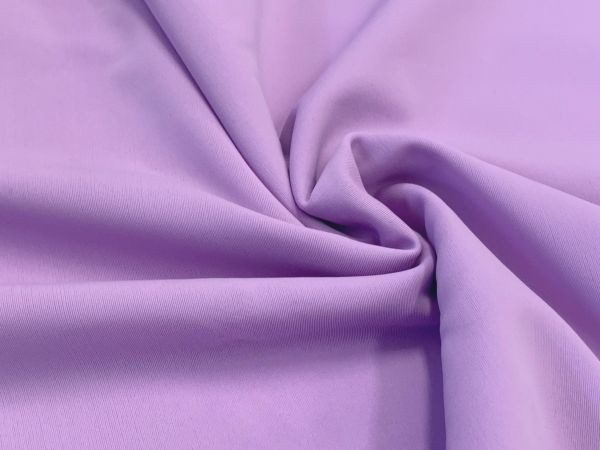
Choose stretch fabric by the job it has to do
Stretch fabric is not one category of identical materials. A supportive leotard, a soft mesh sleeve, a reflective stage panel and a comfortable activewear garment can all use stretch fabric, but they need different construction, recovery, weight and finish. Start with the garment’s job, then narrow the choice by colour and surface.
Composition and construction
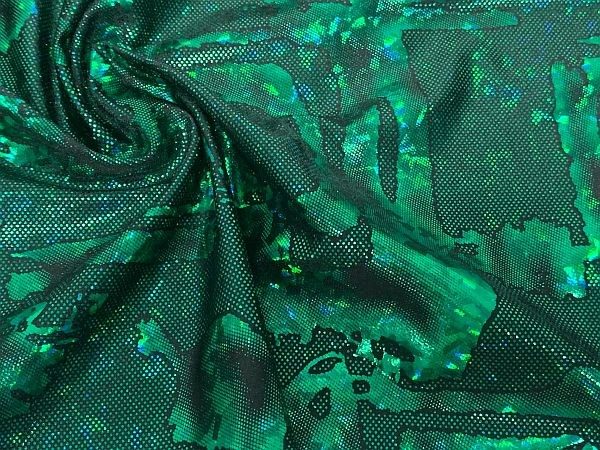
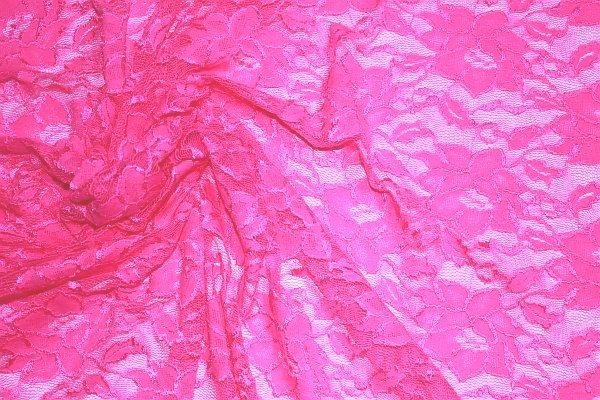
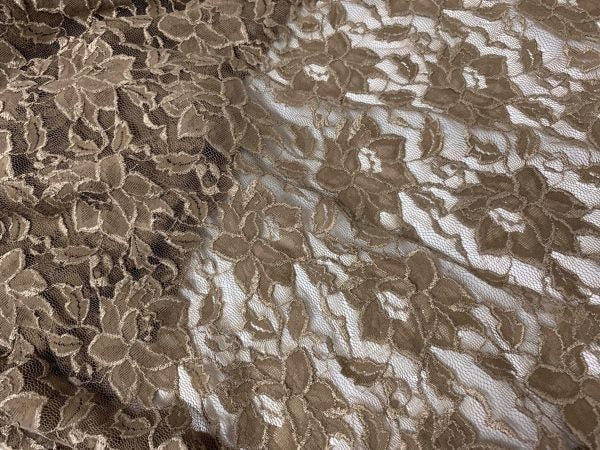
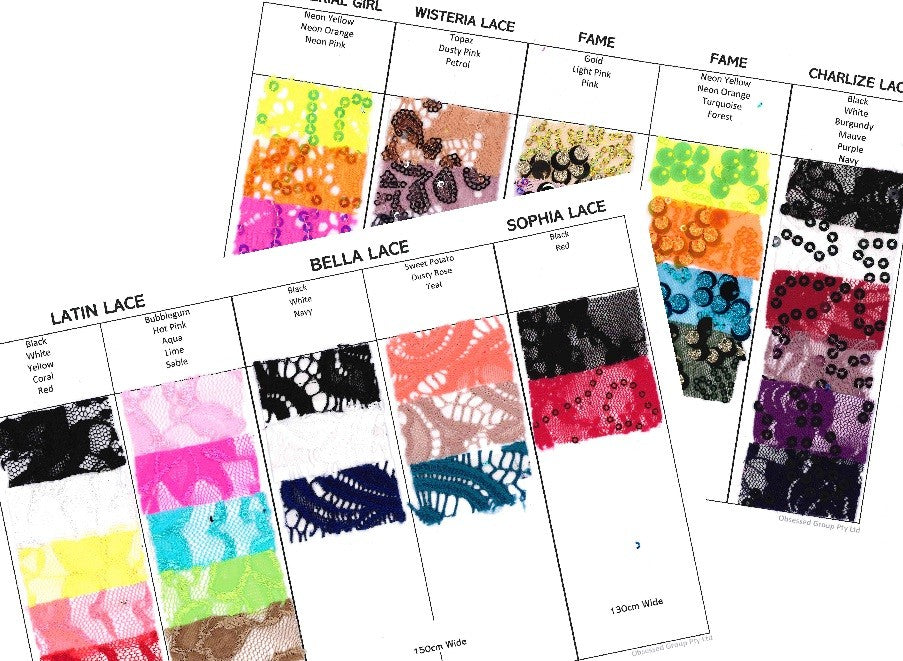
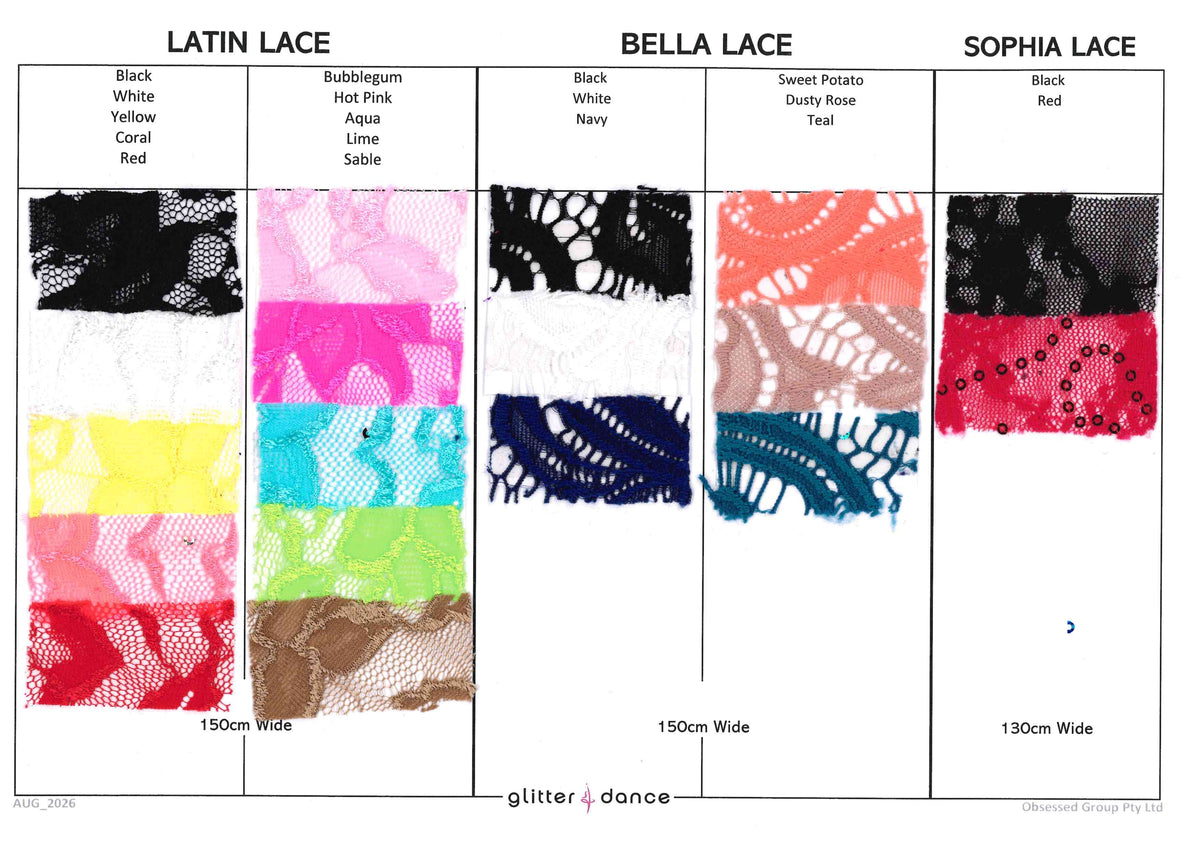
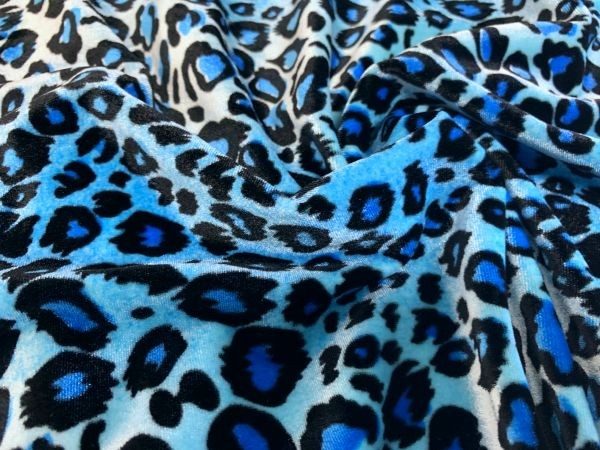
The collection includes different constructions and fibre blends, including spandex/elastane blended with nylon, polyester or cotton depending on the product. Decorative finishes can include foil, shimmer, holographic effects, mesh, velvet and other surface treatments. Check the individual product specification rather than assuming two stretch fabrics will behave the same because they share a fibre name.
Stretch, weight and width
Stretch direction and recovery are the first specifications to check. Some products stretch more in one direction; others stretch across both directions. Weight affects support, coverage and drape, while width affects the cutting layout and the length you need. These details vary across the collection, so use the specification on the individual product page before ordering.
What it suits and why
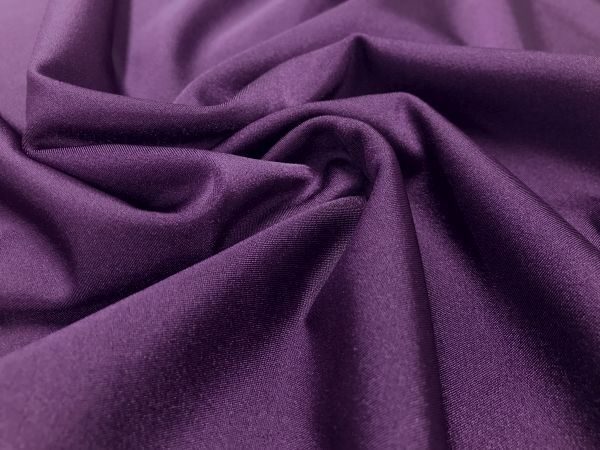
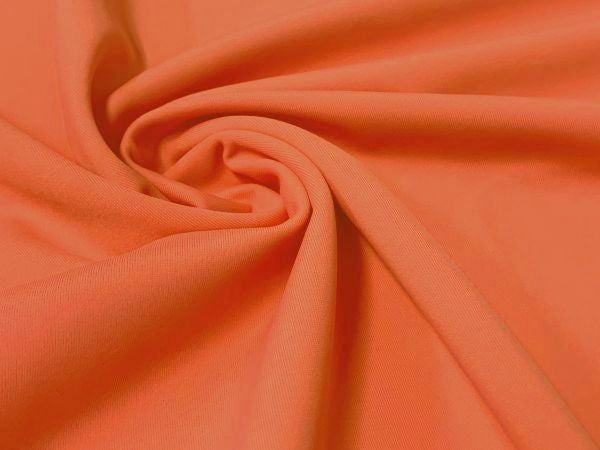
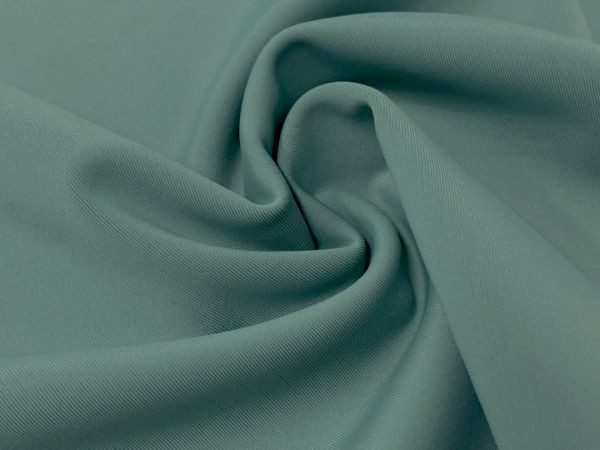
For fitted dancewear, look for the recovery and coverage needed to keep the garment close to the body through movement. Lighter stretch fabrics and mesh suit sleeves, overlays and panels where drape or transparency matters. Reflective or metallic finishes create more stage impact, while matt finishes keep the focus on colour, print or embellishment.
Care and handling
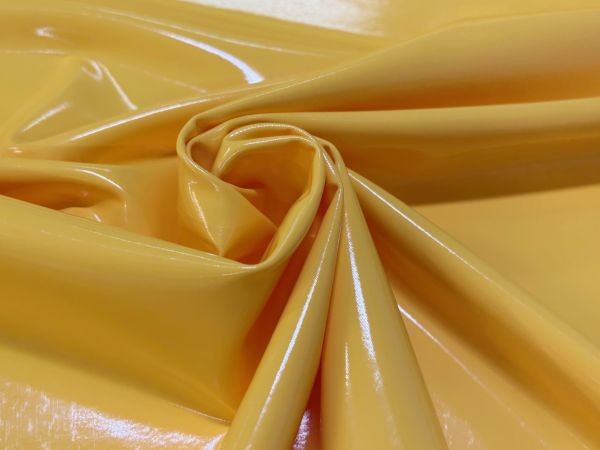
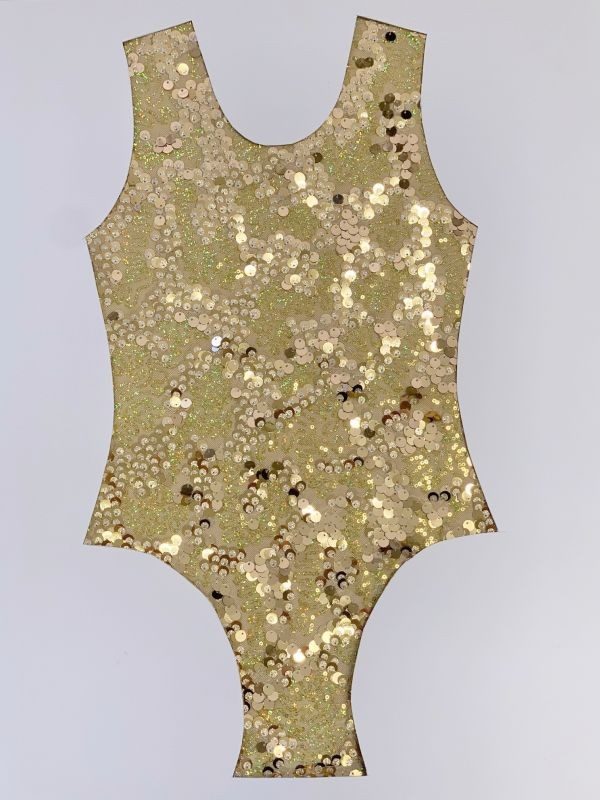
Care requirements vary by construction and finish. Foils, glitter surfaces, sequins and other decorative treatments can require different handling from plain matt spandex. In the workroom, stretch vinyl can be less forgiving because it may grip against the machine, while sequin fabrics can require extra care around needles and seam areas. Check the care information on the individual product before cutting, sewing or washing the finished garment.
Collection specifications
- Stretch direction — varies by product; check whether the fabric meets the pattern requirement.
- Recovery — varies by construction and is important for fitted garments.
- Weight and coverage — range from lighter draping fabrics to more supportive constructions.
- Width — varies by product and affects the cutting layout.
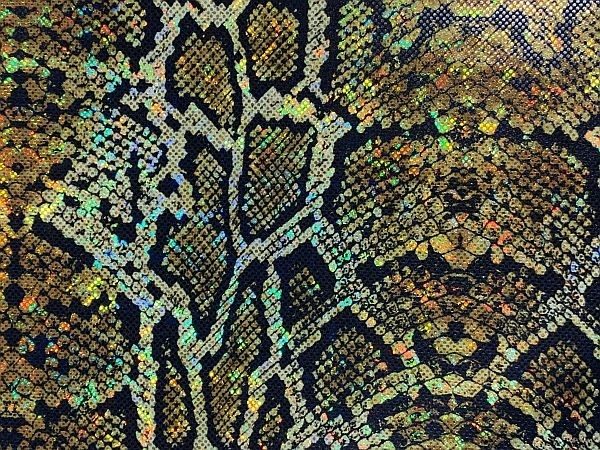
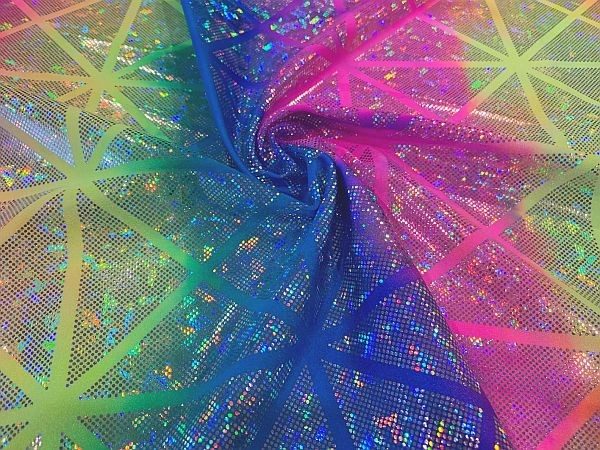
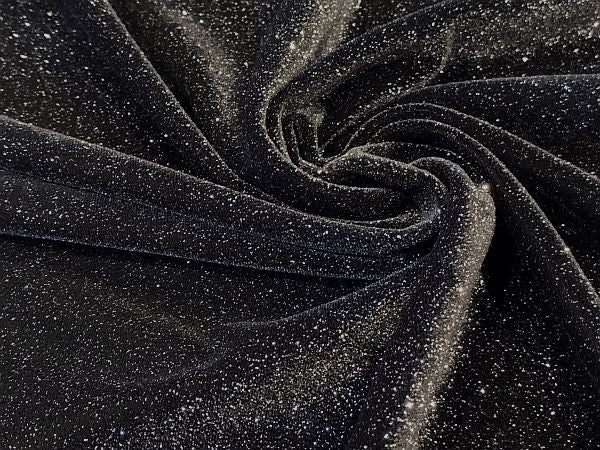
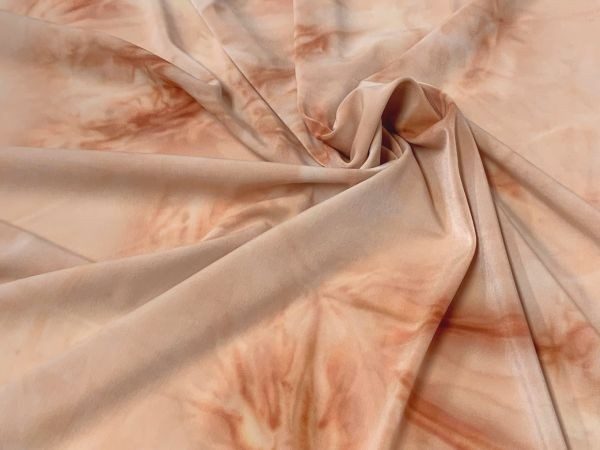
- Finish — includes matt, shiny, mesh, velvet, foil, glitter, sequin and holographic options.
- Care — follow the individual product instructions, especially for decorative finishes.
How to order stretch fabric
- If colour, transparency or finish is difficult to judge online, ask about a sample or visit the Capalaba showroom.
- Check the product specification against your pattern, especially stretch direction, width, weight and care.
- Select the quantity you need. Fabric is sold in 10 cm increments, with no minimum order; check the unit shown on the product page.
- Once ordered, the selected length is cut and prepared for dispatch. If you are coordinating several fabrics, compare them before committing to the full quantity.
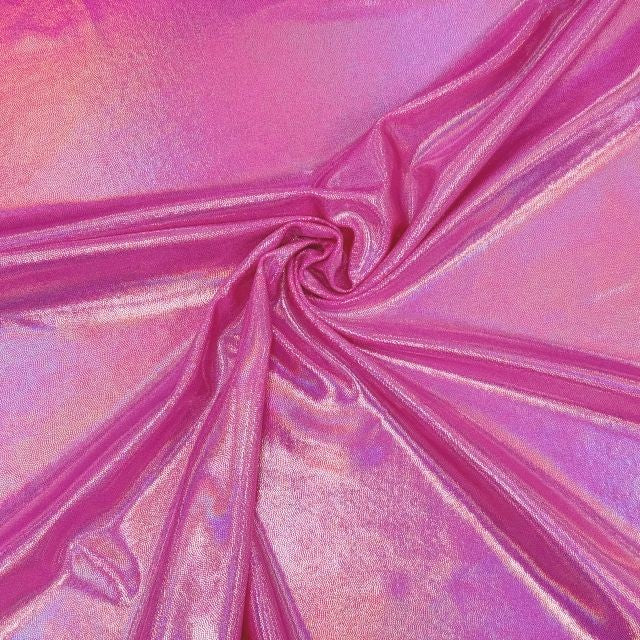
Colour and finish
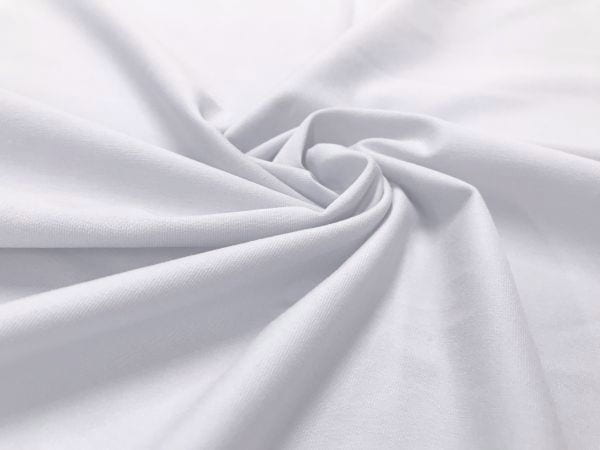
Matt spandex gives a lower-reflection surface, while shiny and foil finishes catch more light and read more strongly from a distance. Neither is automatically better; the right finish depends on the design, venue lighting and the other materials in the costume.
Matt Spandex, Shiny Spandex and Stretch Mesh come from the same supplier and are made to coordinate as colour sets, which is useful when an opaque body fabric needs to work with mesh sleeves or panels. If colour matching matters, compare the fabrics together before the full order.
Frequently asked questions
Stretch direction, recovery, weight, coverage and finish all matter. A fitted garment usually needs dependable recovery, while an overlay may need drape more than support. Check the individual product specification against the pattern and the job the fabric has to do.
Check the product specification. Different stretch fabrics can behave differently, and using a construction that does not meet the pattern requirement can change fit and movement.
Recovery is how well the fabric returns towards its original shape after being stretched. It is especially important in fitted dancewear because poor recovery can leave a garment looking loose or bagged after repeated wear.
Yes. Fabric in this range is sold in 10 cm increments with no minimum order, so you can buy a short length to test a combination or order close to what your pattern requires. Check the quantity unit on the product page before ordering.