Spandex Fabric for Dancewear and Performance
Spandex, also called elastane, is the elastic fibre used in many stretch fabrics for dancewear, performance garments and activewear. Spandex fabrics can be matt, shiny, printed, heavyweight, wet look, holographic or blended for different uses. Construction, stretch direction, recovery, weight and finish vary, so choose by the product specification rather than the fibre name alone.
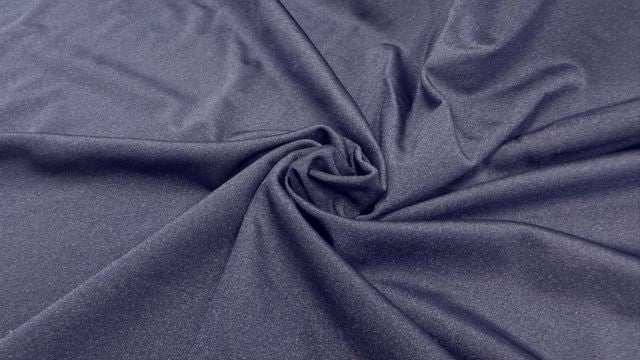
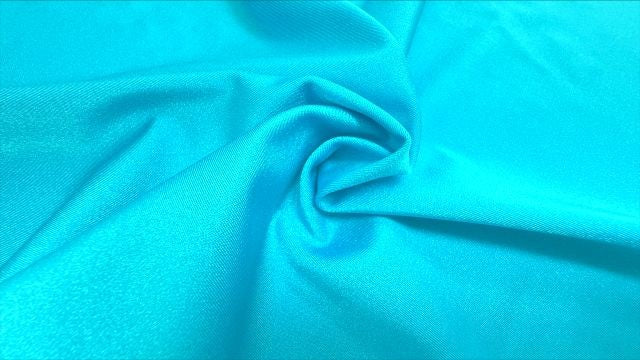


What is spandex or elastane fabric?
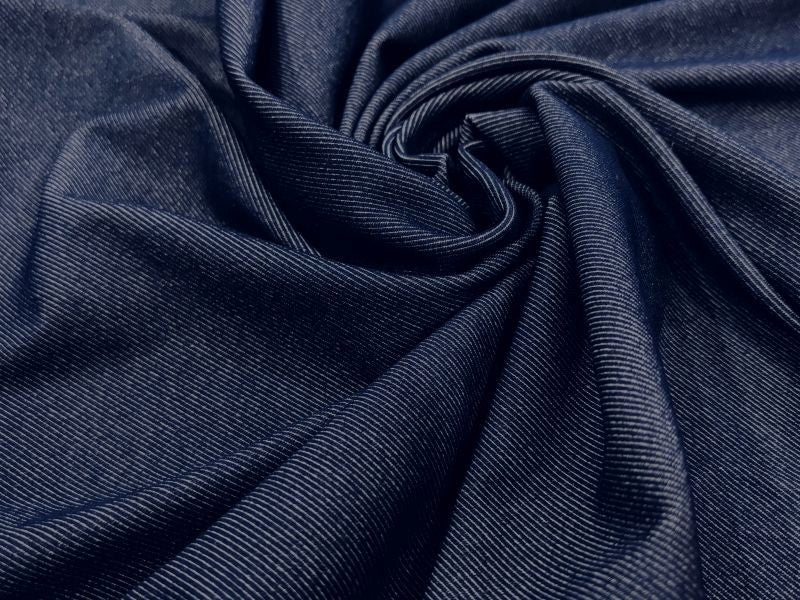
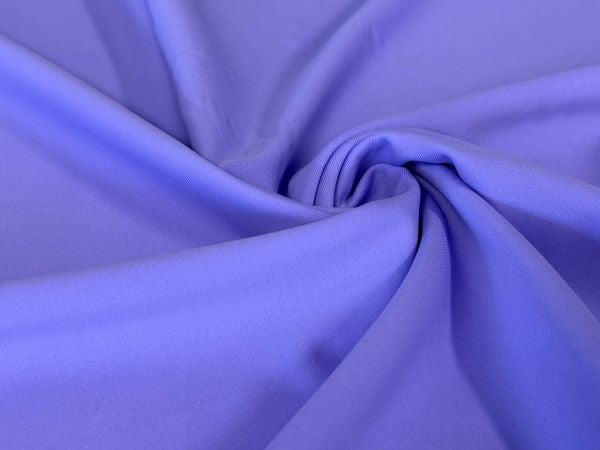
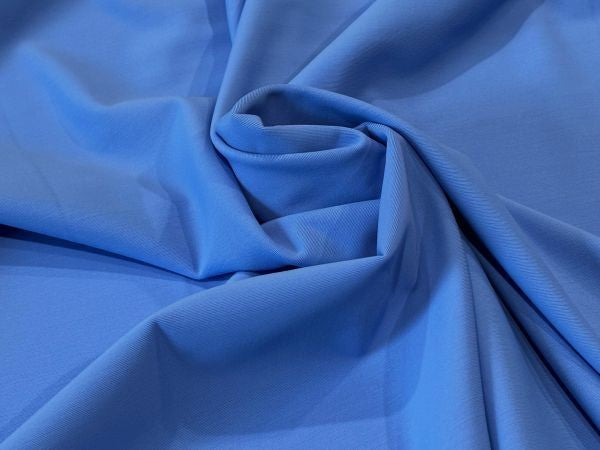
Spandex and elastane are generic names for the same type of elastic fibre. In dancewear, the fibre is blended with other fibres and made into different constructions, which is why two products both described as spandex can behave very differently. One may be lightweight and draping; another may be supportive and opaque; another may be chosen mainly for a reflective finish.
Composition and construction
Spandex fabrics can be blended with nylon, polyester, cotton or other fibres depending on the product. Construction affects stretch direction, recovery, opacity, weight and surface. Printed, wet-look, holographic and other decorative versions add finish to the base construction rather than turning all spandex into the same material.
Stretch, weight and width
Check stretch direction and recovery first, particularly for fitted dancewear. Weight and opacity affect coverage and support, while width affects the cutting layout. These specifications vary across the collection and should be checked on the individual product page.
What it suits and why
Matt spandex gives a lower-reflection base for colour, print and embellishment. Shiny spandex catches more light. Heavyweight constructions can provide more support and coverage. Cotton-spandex and activewear constructions are useful where comfort and everyday wear matter. Printed, wet-look and holographic options are chosen when the surface is part of the visual design.
Care and handling
Follow the individual product instructions. Decorative finishes may need different handling from plain matt fabric. Check the care information before pressing or washing, and test the fabric with the trims, mesh or embellishments that will sit alongside it.
Spandex specifications to check
- Fibre blend — varies by product.
- Stretch direction — check against the pattern requirement.
- Recovery — important for fitted garments and repeated wear.
- Weight and opacity — determine coverage, support and drape.
- Width — affects the cutting layout and quantity required.
- Finish and care — especially important for shiny, printed, wet-look and holographic products.
How to order spandex
- Start with the garment's job: fitted support, activewear, a decorative panel, printed base or high-impact finish.
- Check the product specification for stretch direction, recovery, weight, opacity, width and care.
- If colour or finish is difficult to judge online, ask about a sample or visit the Capalaba showroom.
- Select the quantity in 10 cm increments, with no minimum order. Check the unit shown on the product page.
- Once ordered, the fabric is cut to the selected quantity and prepared for dispatch.
Matt, shiny and coordinated colours
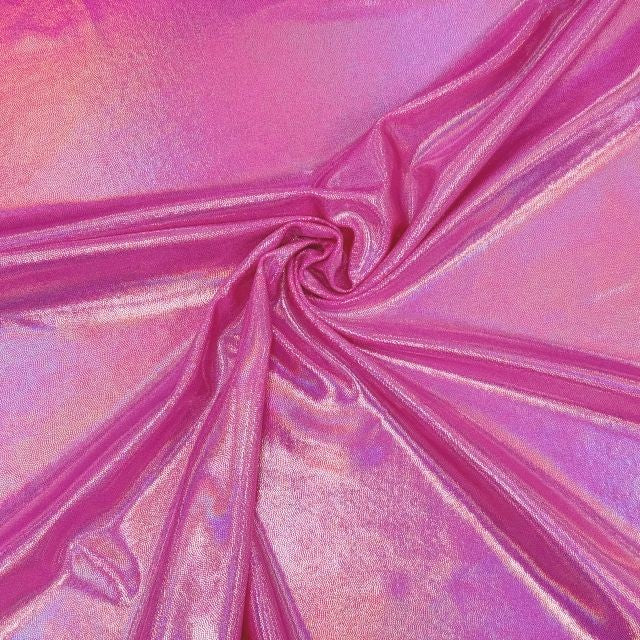
Matt spandex has a flatter, lower-reflection surface, while shiny spandex reflects more light and can read more strongly from a distance. The right choice depends on the costume design and the lighting rather than one finish being universally better.
Matt Spandex, Shiny Spandex and Stretch Mesh come from the same supplier and are made to coordinate as colour sets. This is useful when a costume combines an opaque base with mesh sleeves or panels. Compare the materials together when colour matching matters.
Frequently asked questions
No. Spandex describes the elastic fibre, not a single finished fabric. Blend, construction, stretch direction, recovery, weight, opacity and finish can all vary between products.
Matt spandex has a lower-reflection surface; shiny spandex catches more light. The better option depends on the design, stage lighting and the materials used beside it.
Yes. Spandex and elastane are generic names for the same type of elastic fibre. For a finished fabric, the blend, weight, stretch direction, recovery and construction matter more than the generic fibre name alone.
Matt Spandex, Shiny Spandex and Stretch Mesh come from the same supplier and are made to coordinate as colour sets. Compare the actual fabrics together before a larger project where colour matching is important.