Non-Stretch Fabrics for Dance Costumes and Stagewear
Non-stretch fabrics are used where a costume needs structure, drape, layering or a particular surface rather than all-over stretch. Glitter & Dance stocks tulle, nylon net, denier nylon, satin and decorative non-stretch fabrics for dance and stagewear, sold in 10 cm increments with no minimum order.
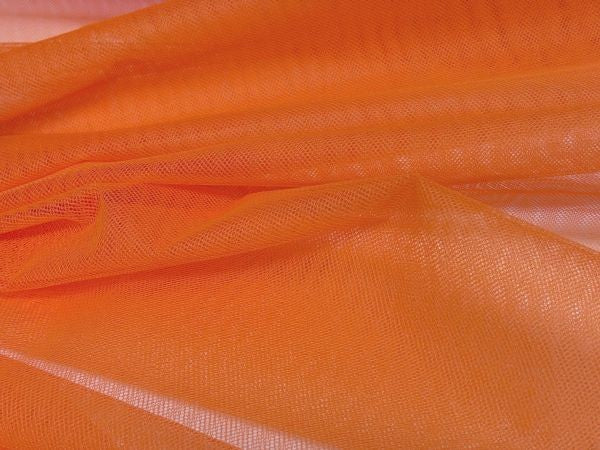
Choose non-stretch fabric by the role it plays
Non-stretch fabrics do jobs that stretch fabrics cannot. They can hold the shape of a structured tutu layer, create a soft floating overlay, add a smooth satin surface, line part of a garment or provide a decorative layer over a stretch base. Many costumes use both stretch and non-stretch materials, so the important question is what each layer needs to do.
Composition and construction
This collection includes different mesh, net, tulle, nylon and satin constructions. The structure of the weave or mesh affects how much shape the fabric holds, how transparent it appears and how it drapes. Decorative tulles add surface interest without necessarily changing the construction underneath.
Stretch, weight and width
These fabrics are selected for roles where all-over stretch is not required. Weight and structure range from very fine, soft materials to crisper net that can hold shape. Width varies by product and can materially change how much fabric a tutu, skirt, overlay or panel needs.
What it suits and why
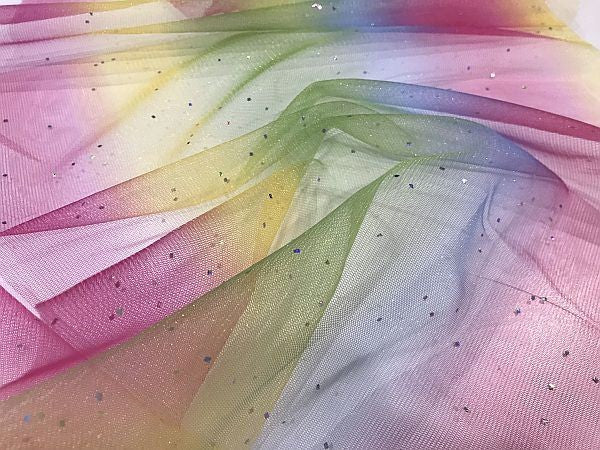
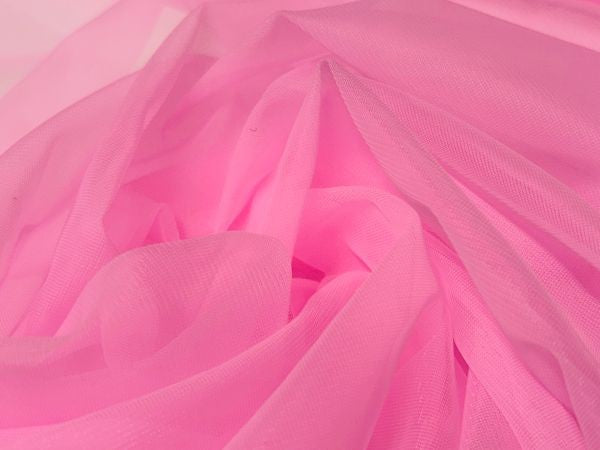
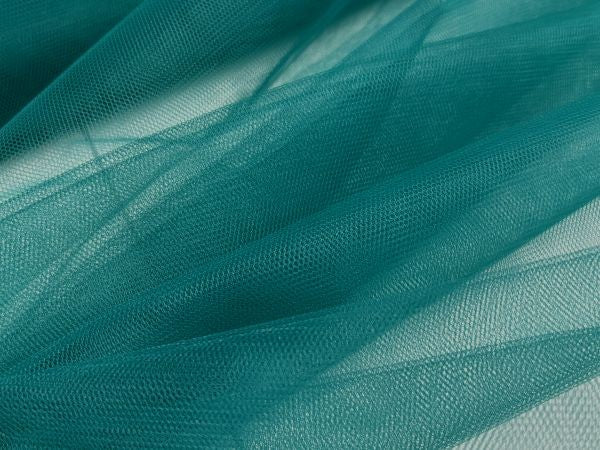
Nylon net is the structural choice for layers that need to hold shape. Tulle is softer and better suited to floating layers and overlays. Fine denier nylon can work where a lighter layer is needed. Satin provides a smoother, more solid surface for skirts, bodices, sashes and contrast sections. Decorative tulle can add sparkle or texture over a base fabric.
Care and handling
Check the individual product before cutting or pressing. Fine tulle, nylon net, satin and decorative surface treatments can behave differently under heat, washing and repeated handling. If the fabric will be joined to a stretch base, plan how the seam needs to move before cutting.
Collection specifications
- Stretch — selected for non-stretch or limited-stretch roles; check the individual product.
- Structure — ranges from soft, draping tulle to crisp nylon net.
- Transparency — varies from sheer net and tulle to more opaque satin.
- Width — varies by product and should be checked against the cutting layout.
- Surface — plain, satin, glitter, sequin and other decorative options are available.
- Care — follow the product instructions for heat, washing and handling.
How to order non-stretch fabric
- Decide what the fabric needs to do: hold shape, drape, layer, line or add a decorative finish.
- If colour, transparency or finish matters, ask about a sample or compare the fabric in the Capalaba showroom.
- Check width, weight, transparency and care information on the product page.
- Select the required quantity in 10 cm increments. There is no minimum order; check the unit shown on the product page.
- The selected length is cut and prepared for dispatch. If the fabric is being combined with stretch material, test the combination before the full project where practical.
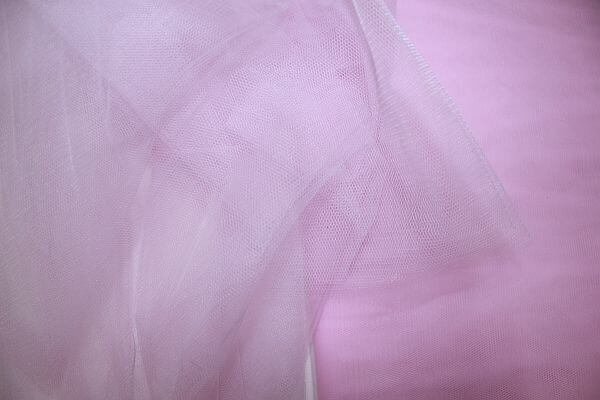
Colour, transparency and layering
Sheer fabrics can look different depending on what sits underneath them. A tulle or denier nylon placed over a coloured stretch base may read differently from the same fabric viewed on its own. Decorative tulles can also change under stage lighting. If the final colour or transparency matters, compare the layers together before ordering the full quantity.
Frequently asked questions
Nylon net is the more structural option and is used when a layer needs to hold shape. Tulle is softer and drapes more readily, which suits romantic tutu layers, overlays and other softer applications. They can appear similar but are not interchangeable in every role.
Denier describes the fineness of the yarn. A lower-denier nylon is generally finer and softer, but denier is only one part of the fabric’s behaviour; mesh construction and finish also matter.
Yes. Many costumes combine both. The construction needs to account for the materials moving differently, particularly at seams that sit on areas of the body that need to stretch.
Yes. Fabric in this collection is sold in 10 cm increments with no minimum order, which is useful for smaller contrast panels, decorative layers and test pieces.